From books to vines
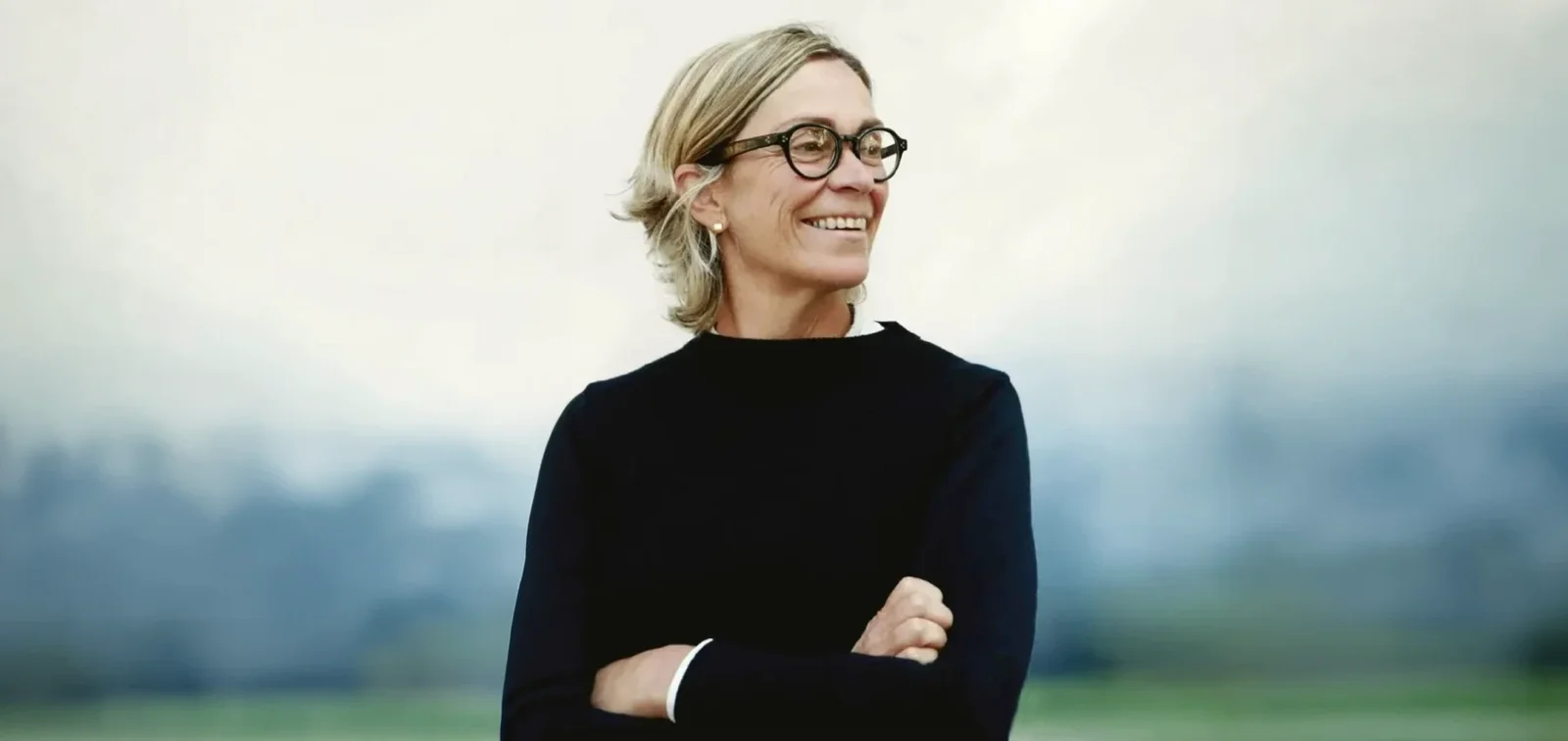
Before joining La Stoppa in 1991, Elena Pantaleoni spent four years running a book and record shop with friends in Piacenza. Books and music are part of this winemaker’s story, too.
Her family had bought La Stoppa in 1973. She has led the estate since the mid-1990s, working alongside Giulio Armani. Their wines come from the Trebbiola Valley, near Rivergaro, south of Piacenza.
Grapes that belong here
During the 1990s, Elena and Giulio refocused their vineyards on local varieties. Barbera and Croatina, also known locally as Bonarda, shape the reds. Malvasia di Candia Aromatica plays a central role among the whites.
That decision responds to a warm place, its clay soils and the rhythm of its grapes. It gives La Stoppa a clear thread: understanding what grows here before trying to reproduce a wine from somewhere else.
Giving wine time
The vines are farmed organically and worked by hand. In the cellar, fermentation starts with indigenous yeasts. Tanks, wood and time in bottle then support each wine according to its character.
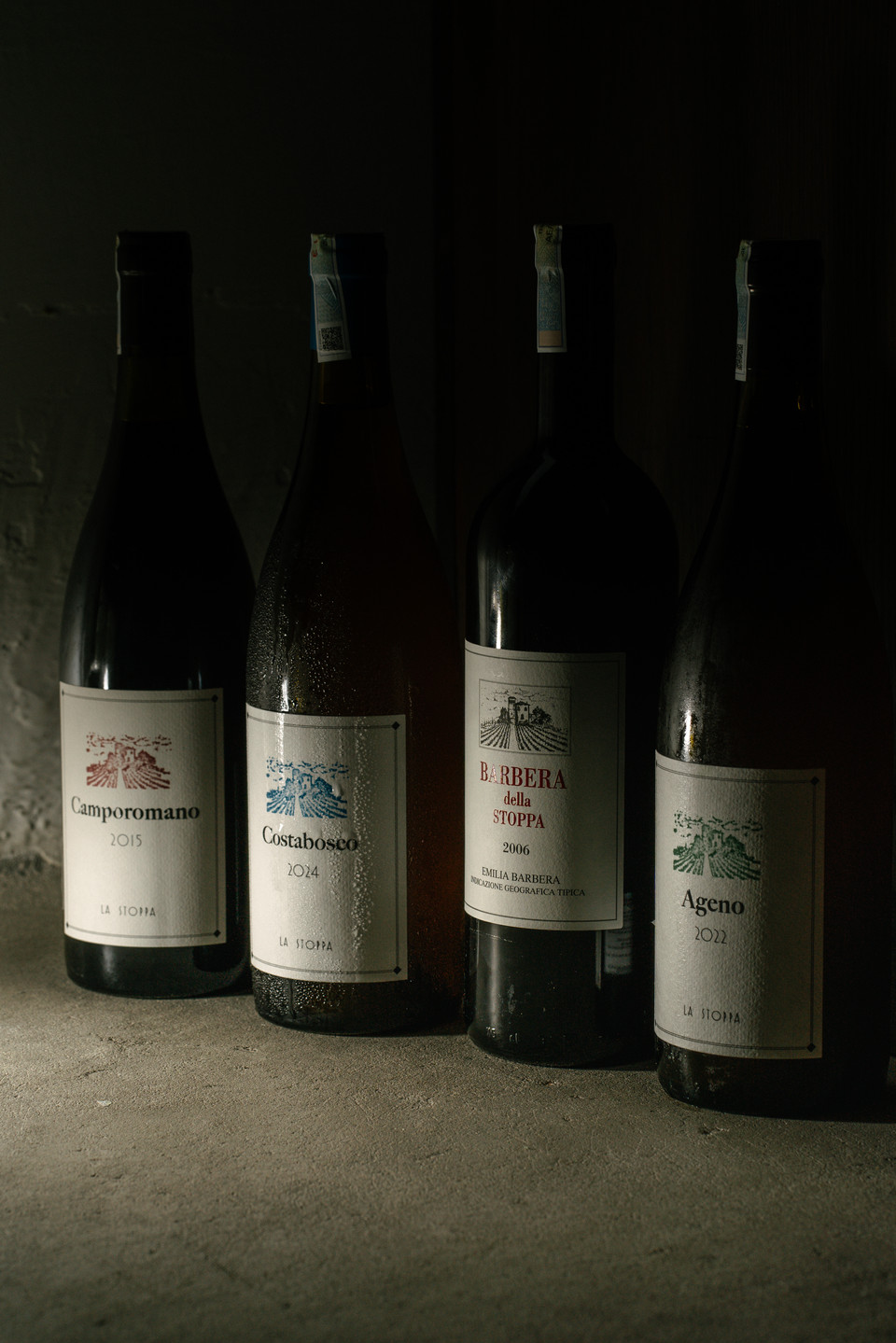
The cuvées tell different stories. Trebbiolo is made for youth; Ageno explores the texture of skin-macerated Malvasia; the Barberas offer other perspectives on ageing and time. These five bottles are a way into Gụ’s selection.
La Stoppa in five bottles
- Trebbiolo, 2023
Barbera and Croatina in a youthful expression.
- Ageno, 2022
Malvasia di Candia Aromatica with skin maceration.
- Costabosco, 2024
A woodland-edge Malvasia, in this cuvée’s first vintage.
- Camporomano, 2015
Barbera shaped by long ageing.
- Barbera della Stoppa, 2006
Another meeting with Barbera and time.