The producer
Justino’s Madeira
Justino’s story began on Madeira in 1870. Its winery is now based in Caniço.
Through the wines
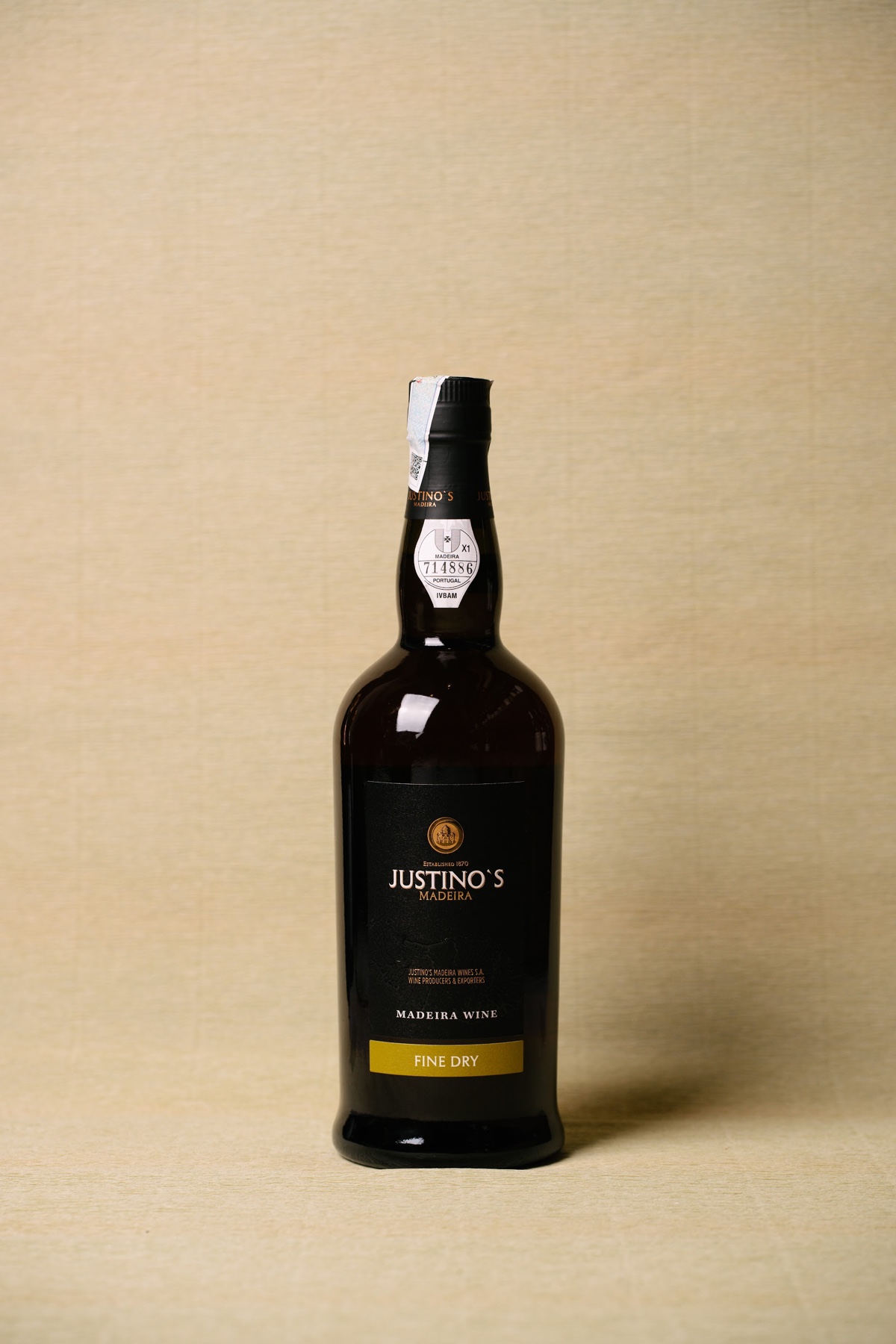
Fine Dry · 750 ml
Justino’s has made Madeira since 1870. Fine Dry highlights Tinta Negra, a key grape of the island, in a blend of wines. Ageing is as much a part of its character as fruit: a different side of Portuguese wine to discover before dinner. Madeira’s landscape calls for small terraces, known as poios, rather than broad vineyard plains. Justino’s sources grapes from different parts of the island and established its modern Cancela cellar in 1995. A decisive step shapes the wine: fortification stops fermentation at the desired sweetness. Ageing and blending then take over. That relationship between fruit, time and style is what makes the house’s different bottlings worth exploring.
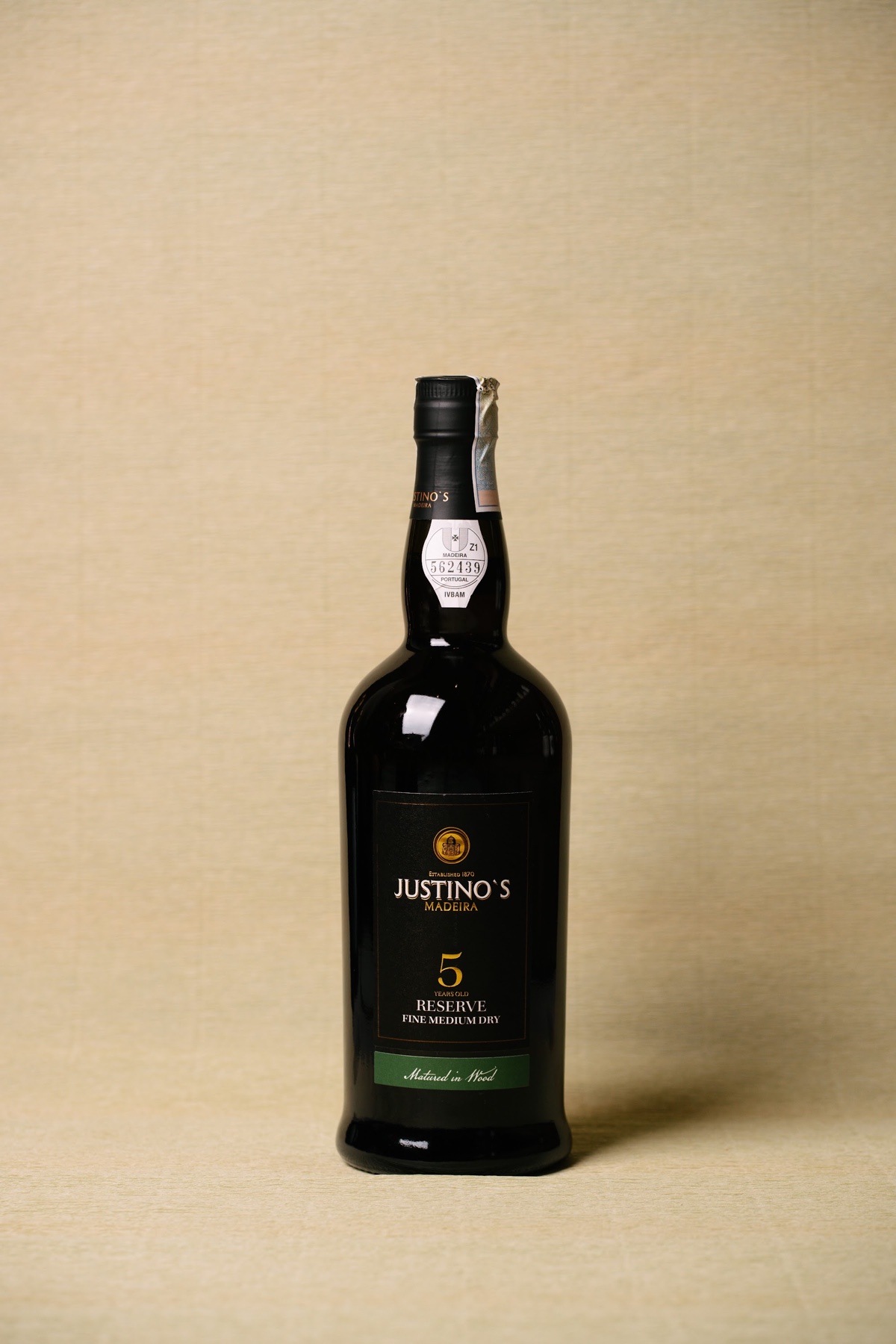
Explore this bottleReserve Fine Medium Dry 5 Years Old · 750 ml
Tinta Negra provides the base for this Justino’s reserve. The 5-year indication describes an aged blend, rather than a harvest year. Established on Madeira since 1870, the house works with several expressions of the grape, ranging from dry to sweet. Madeira’s landscape calls for small terraces, known as poios, rather than broad vineyard plains. Justino’s sources grapes from different parts of the island and established its modern Cancela cellar in 1995. A decisive step shapes the wine: fortification stops fermentation at the desired sweetness. Ageing and blending then take over. That relationship between fruit, time and style is what makes the house’s different bottlings worth exploring.
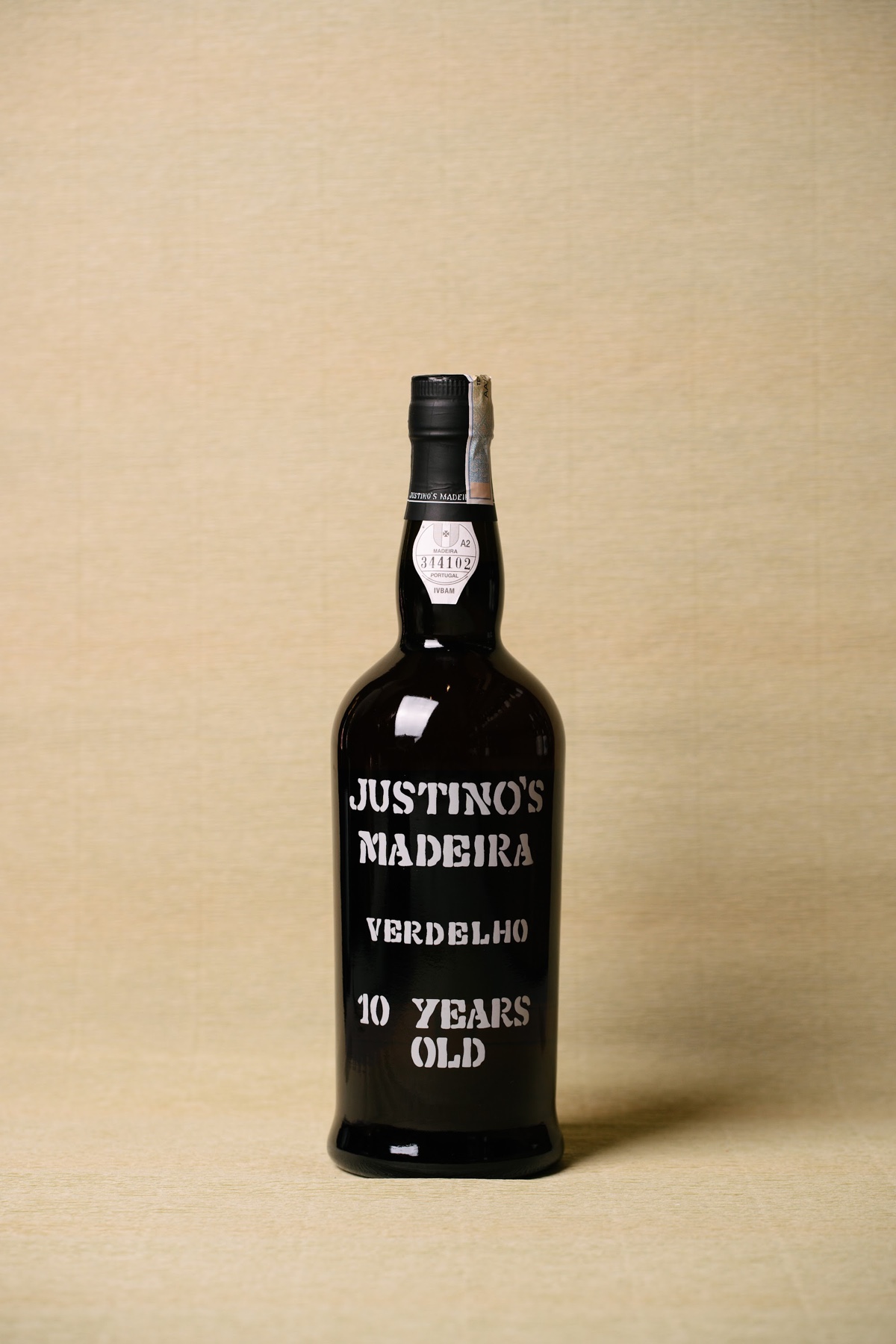
Explore this bottleVerdelho 10 Years Old · 750 ml
Verdelho has its own place in Justino’s range, between drier Sercial and the sweeter styles. This bottling carries a 10-year age indication and matures in casks through the canteiro system. Madeira’s natural warmth accompanies its slow development. Madeira’s landscape calls for small terraces, known as poios, rather than broad vineyard plains. Justino’s sources grapes from different parts of the island and established its modern Cancela cellar in 1995. A decisive step shapes the wine: fortification stops fermentation at the desired sweetness. Ageing and blending then take over. That relationship between fruit, time and style is what makes the house’s different bottlings worth exploring.
Explore this bottle